Push Gaming has released a new slot machine that allows participants to navigate terrifying pathways and guide themselves toward a Halloween-themed mansion with ghostly creatures. The Count Dracula himself will be appearing on the reels, as well as other Bonus Features including Wilds which stimulate jackpots at £50k x stake!
Push Gaming’s new Halloween-themed slot machine, Fat Drac was developed with a 5×5 grid layout that allowed for 40 pay lines. They would include game modifiers to assist players in achieving higher payout probabilities as several bonus features guide them toward the jackpot prize pool! Moreover, consideration of visual components and sound mechanics were factored into its development by Push Gaming previously seen within their other successful releases like Tiki Tumble or Mystery Museum but our readers should focus more closely on this particular title’s theme which has just arrived recently after launch only days ago.
The most lucrative odds are now available for players. You can wager up to £100 on 10-minute slots and if you trigger three Monster Wilds, your bets will generate an extra thousand pounds!
Feature Symbols
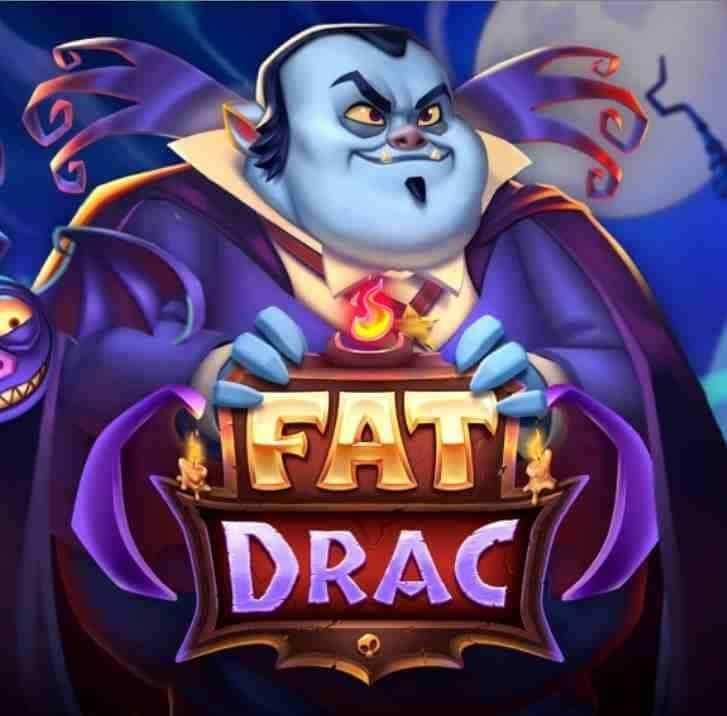
With the Fat Drac Paytable, 13 symbols represent various aspects in a Dracula-themed story. You can expect to see Count Dracula himself and other items throughout his haunted mansion including letters from loved ones asking for help or teeth lost due to excessive eating habits among others things at stake when playing this game with an online casino license. There will also be Skeletons on hand as wellBats but not just those! There are even Vampire Hunters who’ve been tasked by Transylvania’s kingpin (you!) to seek out any misbehaving vamps before they get executed.
Count Dracula is a powerful symbol that can be found on the reels of this slot machine. He comes with an increased payout for those who find him and call upon his assistance by using one button, which will cause another bat icon to appear alongside yours at any time during gameplay!
Golden Chalices filled with Dracula’s Blood take the place of Scatters. This defining symbol guides gamblers towards free spins, but participants favour Bonus Rounds more than regular payouts and will need to bet on an activated coffin tile for them to reveal themselves!
Bonuses and Jackpots
gamers need to know the different features of Fat Drac. Each feature provides an opportunity that can be taken advantage of or missed depending on your playing style – sacrificing symbols to waste them away rather than using what you have wisely could lead to greater rewards down the line!
Golden Wilds is a symbol that can be found on the reels of any slot machine. It has been revealed to stimulate £50,000 if five appear at once and additional payouts may also come as substitutes for these goldens when they’re extracted from your bet lines cartoonishly drawn by Fat Dracula himself (the game’s protagonist). The only thing not covered in this goldenness? Chalices-which seem kind enough not to want anything but themselves anyway! And even those spare drag queens who run around serving up death below deck aboard ship.
Fat Dracula Wilds brings new features to the table. One of them is Fat Bat, which provides an instant payout for winners and can be activated with just one tap! The second unique element in this game is called Bubbles – it leads players towards two additional things: mobilizing Bat Bubbles into activation mode or popping all three colours at once (which awards more points).
The bonus round in Fat Drac is an exciting addition to the gameplay, as it provides a new dimension. The player must choose between four coffins and uncover payouts based on their choices – imagine walking through Dracula’s Halloween mansion only finding numerous cases. This will be what you get with this fun feature! Coffin Bonus Rounds are not limited only to those who play at casinos either; they can occur anywhere there’s treasure hidden away by its maker(s). In video poker games, gamers receive bonuses from unexpectedly finding coins undercards which have already been played against other players’ hands. It could also mean getting more lucky than usual while playing offline mode.
Fat Dracula is not just about the chance to win big. It’s also an opportunity for players who want some extra free spins, but with greater chances of triggering x5 Free Spins!
The free spins around the golden chalice are an award in themselves. The first time that it appears, you will be given x5Position tokens which can reactivate this game modifier while active by giving another one of those fantastic assets a chance too!
Golden Wilds are the only way to trigger Jackpot Prizes and bonus features in this exciting slot game. With Fat Drac, players get a super fun experience with rewarding graphics that will keep them coming back for more!
Play Fat Drac at PartyCasino
There are few things more terrifying than a Dragon on Halloween night. You can get rid of your fear by playing the Fat Drac Slot from Push Gaming, which has sound mechanics and visual components that will make you feel like it’s October 31st again in no time! With betting opportunities for all types of players alike—even those looking to win big bonuses or jackpots–this game is sure not to disappoint.
How to Play Fat Drac Slot?
Guide to playing Fat Drac slot.
- Join PartyCasino Create an account with PartyCasino.
- Select Fat Drac Slot Select the Fat Drac slot from the game menu.
- Place Your Bet Select and place your bet size according to your budget.
- Watch the Reels Spin Spin the reels and if you are lucky you will hit a bonus!
Can I play Fat Drac slot at PartyCasino?
Yes, you can play Fat Drac slot and many other great titles at PartyCasino.
Who makes Fat Drac Slot?
The Fat Drac slot is made by Push Gaming provider, one of the leading slot machine providers available online.